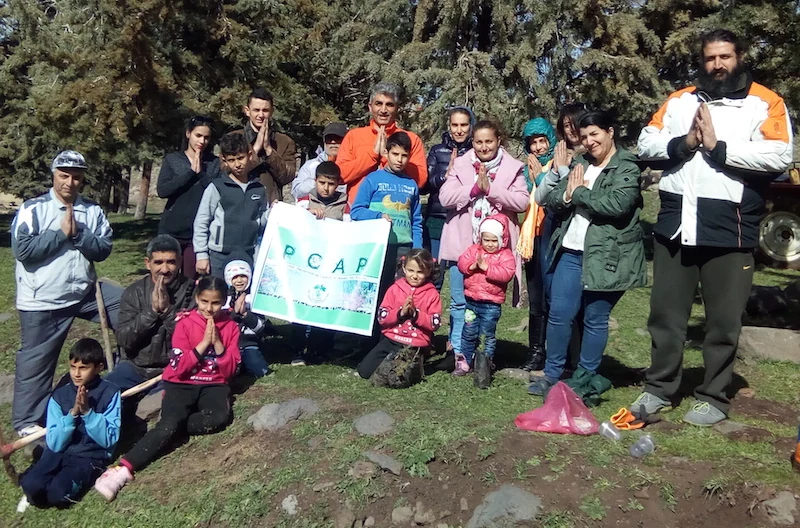
Sanctuaries, growing forests and communities that learn together. Discover the places where PCAP’s philosophy becomes practical.
Ananda Nagar · India
A garden for all living beings.
PASAKA — Parivesh Samvardhana Kánana — began in 1988 as a refuge for rare and endangered plants and animals.
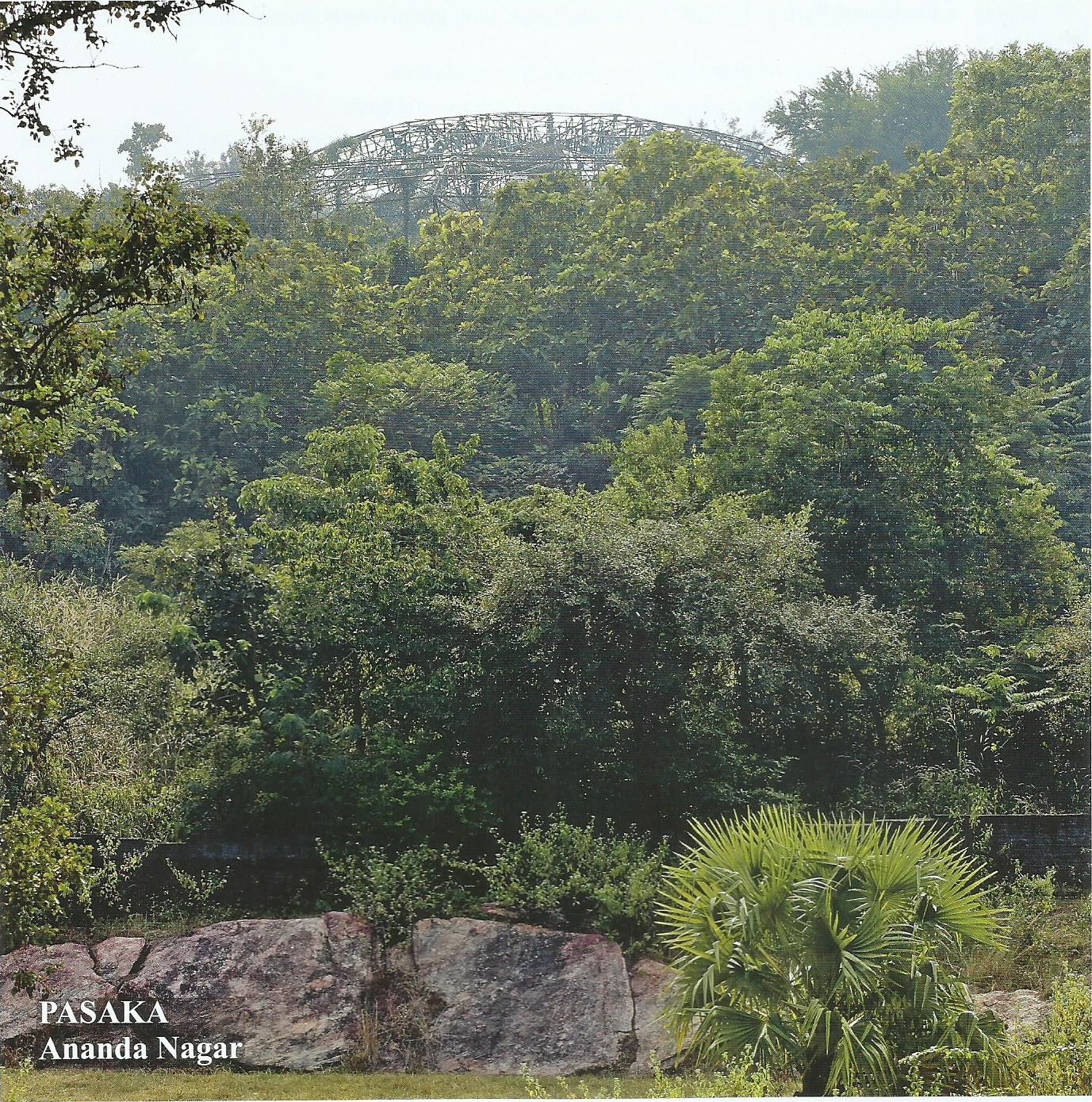
PASAKA · Ananda NagarPhotograph provided by PCAP. A place dedicated to the development of all living beings.
A sanctuary. A living classroom. A legacy for the future.
Shrii P. R. Sarkar established PASAKA in 1988. Managed by PCAP, the garden was conceived as a refuge for rare and endangered species and a way to preserve the environmental legacy of the Indian subcontinent’s once-extensive forests and wildlife.
Education is central to that purpose. Sarkar envisioned a place where local young people would learn to preserve the environment and wildlife, replacing exploitation and destruction with knowledge and care.
PASAKA is part of Ananda Nagar, or “City of Bliss,” in eastern India near the border of West Bengal and Jharkhand. The original report describes a 12-square-mile rural development area shaped around regeneration, economic self-sufficiency, and moral and spiritual values.
PCAP’s work there also includes environmentally friendly agriculture and irrigation, renewable forest-based industries, and small-scale and cottage industries serving local communities.
Project background from the original PCAP archive
Water & community
Care that sustains daily life.
The original report locates PASAKA in eastern Madhya, or middle, Ananda Nagar. A 100-foot water tower served the primary and high schools, Abha Seva Sadan hospital, the children’s home and other social service projects.
Forests & biodiversity
A place for plants to flourish.
The archive records teak, shishu, palash and silk-cotton trees, alongside medicinal herbs and other plants. These living collections connect conservation with learning about local ecology.
A sanctuary in development
Making room for wildlife.
The original website described an aviary under construction in eastern PASAKA and plans for further compounds for rare plants and animals. These are historical development plans; the archive does not confirm their present status.
Based on the original PCAP International website, preserved in May 2015. View the original source.
Karlovac & Samobor · Croatia
Protection begins in the community.
PCAP Croatia registered in 2001, becoming the first European branch recorded by the original website.
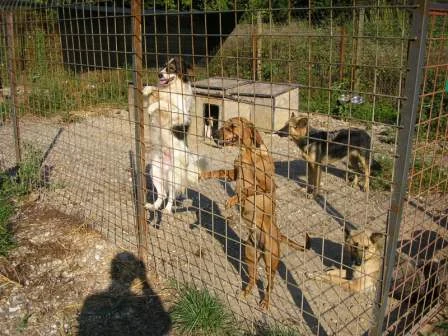
A place of safetyDogs at the PCAP-supported Karlovac shelter. Original PCAP photograph, preserved in a May 2014 capture; photograph date unspecified.
Animal protection, nature education and local cooperation.
The original project report describes PCAP’s support for the Karlovac dog shelter. During the reporting period, the expanded shelter took in 460 dogs and found new homes for 85. These figures are historical, rather than current annual totals.
Karlovac City also provided office space for the branch. In Samobor, an ornithological program for primary-school children received support from local businesses and government, with a further two years of activity planned.
Beyond animal care, PCAP worked with local leaders on eco-tourism and projects intended to strengthen the rural economy.
The longer news archive records tree planting, bird-house building, collaboration with environmental organizations and a sustainable development plan for Karlovac.
Ananda Marga’s PCAP project report describes feeding stray animals, providing drinking water and veterinary care, helping puppies and kittens find homes, and bringing the community into animal welfare.
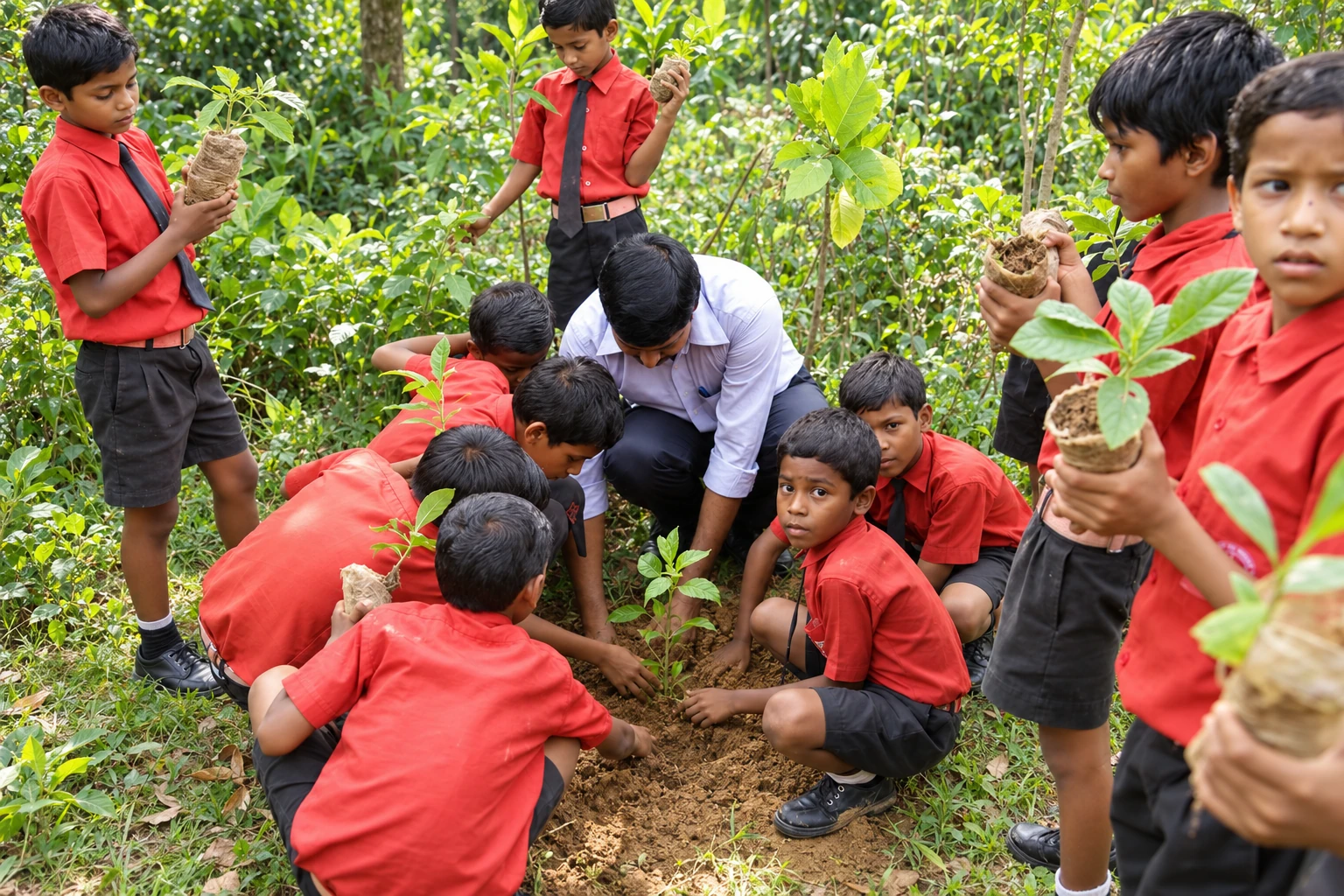
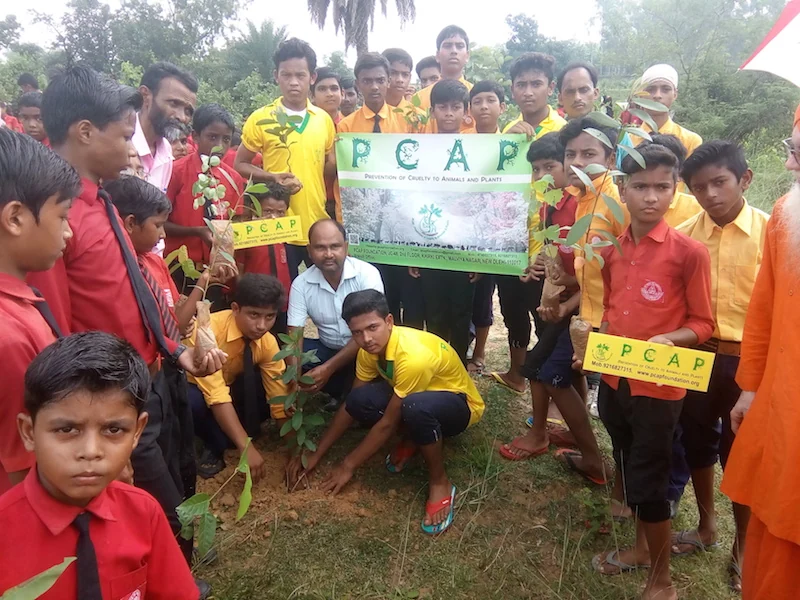
In Jamshedpur, PCAP and AMURT Global report free sapling distribution and preparing seedballs for planting on barren land around the monsoon. Their work also includes planting activities with rural and tribal communities.
PCAP Australia promotes the ecological rights of animals and plants, plant-based living, support for threatened species, and sustainable communities. Its priorities include vegetation and soil that help conserve precious water.
The PCAP Foundation’s gallery documents tree planting in Syria alongside kiirtan, or devotional singing. The gallery offers a glimpse of service that brings people together around care for living beings.
The original PCAP website records support for a dog shelter in Karlovac, bird-focused learning for schoolchildren in Samobor, and local eco-tourism and rural development. Croatia registered its PCAP branch in 2001.
PCAP partners in Mafi-Zongo started a nursery for planting trees around the local dam’s catchment. The archived report connects restoration of the landscape with a water supply serving 26 villages.
The PCAP archive describes a tree seedling nursery at Orange Farm supplying schools in Gauteng, and environmental education in Durban. These partner initiatives connect practical planting with children’s understanding of nature.
PCAP’s Portland archive introduces partner sanctuary Out to Pasture, caring for abandoned and stray animals. It records cats, rabbits, horses and adopted pigs, alongside community outreach and fundraising for their care.
Following the 2006 earthquake in Yogyakarta, PCAP’s archive describes kindergartens incorporating bamboo construction, rainwater storage and biofilters. Ecological design became part of rebuilding safe places for children to learn.
PCAP’s archive highlights ornamental and vegetable gardens at its partners’ secondary school in Kangemi, Nairobi. The gardens formed part of the agricultural curriculum, bringing ecological learning into everyday school life.
An archived regional conference brought PCAP partners to an eco-farm in St. Louis, Quebec. The report describes a neighbouring community’s straw-bale house and a scheme to reuse canola cooking oil as vehicle fuel.
PCAP’s original archive records cooperation with Gemma Ashford’s dog-sanctuary project in Sangkhlaburi, near the Myanmar border. Presented at a London PCAP workshop, the project is identified as Baan Unrak Animal Sanctuary.
A growing record of compassion. Sources include PCAP regional websites, the PCAP Foundation and Ananda Marga project reports. Archive stories describe historical work; undated reports are identified above.
Help care take root.
Local hands. Shared hope.
Animal protection, planting and education begin with people willing to care. Contact PCAP to explore how you can contribute.