Prevention of Cruelty to Animals & PlantsCompassion in action since 1977
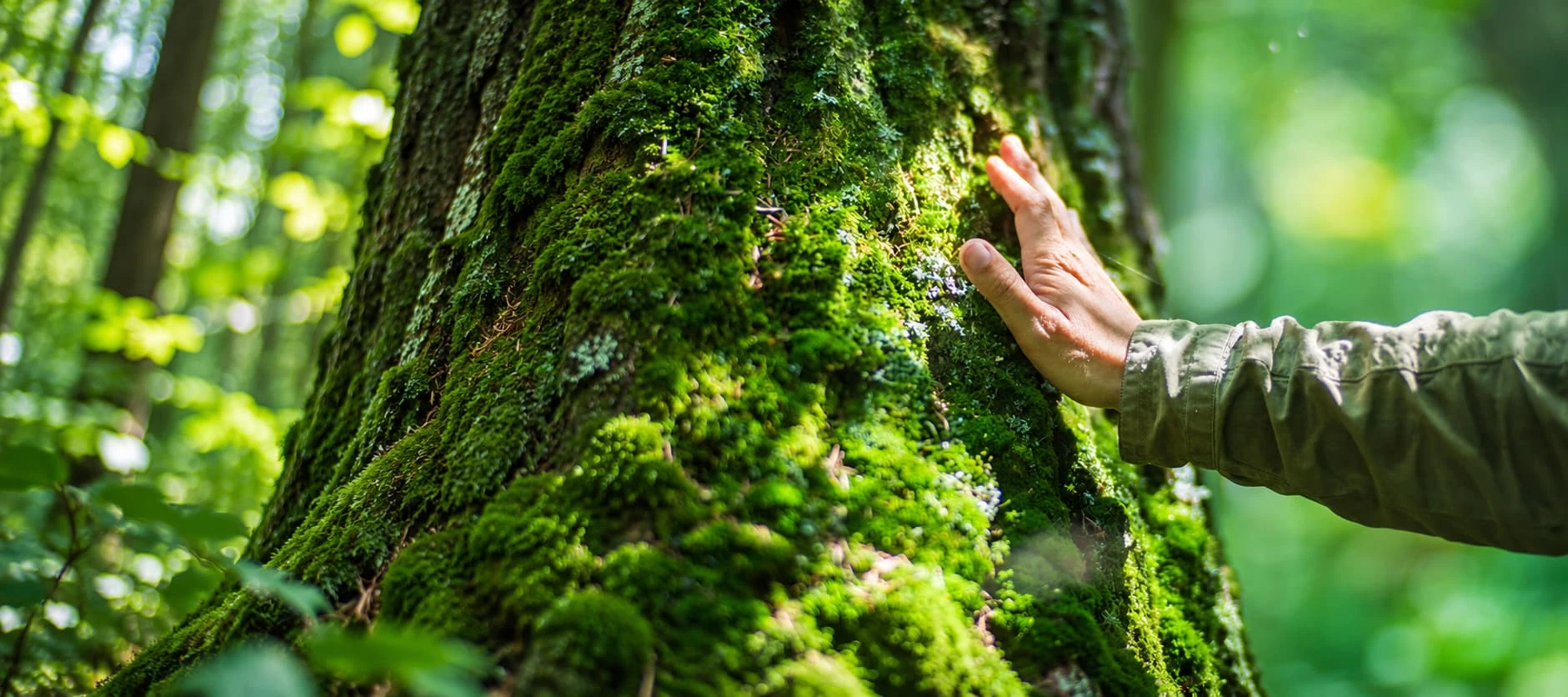
A hand rests gently on a moss-covered tree trunk

About PCAP

Compassion.
Without boundaries.

Animals and plants share our world. Their lives, their well-being and their right to exist are at the heart of everything we do.

The heart of the movement

Love beyond
the human family.

1977PCAP is founded
1982Neohumanism inspires
1988PASAKA begins

PCAP — pronounced “pee-cap” — means Prevention of Cruelty to Animals and Plants.

Founded in 1977 by the philosopher Shrii P. R. Sarkar, PCAP has grown into a non-profit, non-sectarian global movement dedicated to preserving the planet and all its inhabitants.

In 1982, Sarkar’s book on Neohumanism provided a philosophical and inspirational foundation for the movement. Neohumanism extends the feeling of love and compassion beyond humanity to animals, plants and the wider world.

Protecting other beings is more than a way of protecting ourselves. Each life has value in its own right. The care that guides PCAP grows from an inner feeling of kinship with all creatures and a commitment to a Neohumanist way of living.

That philosophy becomes practical through animal care, sanctuaries, forest restoration, education, vegetarian living and communities that work in harmony with nature.

See compassion in action
What guides us

A living world.
A shared future.

01 / Our vision

All life.
In harmony.

A world in which people realize their higher nature and embrace their role as stewards of the Earth, loving, serving and protecting living beings and the non-living world.

A world where creatures live in prosperity and harmony, free from exploitation and cruelty, and where their right to exist is recognized in national constitutions and in people’s hearts.

02 / Our mission

Inner growth.
Outward care.

Work for the all-round emancipation of all beings under the guiding principles of Neohumanism, encouraging higher consciousness beyond narrowness, meanness and selfishness.

Create practical models of sustainable rural eco-communities in which people, animals and plants cooperate as one family under the care of Supreme Consciousness.

Support decentralized economies and balanced development in the physical, mental and spiritual dimensions of life.

Our ten objectives

Principles that
become practice.

The original objectives connect the protection of individual beings with the care of entire ecosystems and communities.

  1. 01

    Prevent cruelty

    Prevent cruelty to animals and birds.

  2. 02

    Protect endangered animals

    Protect rare and declining species of animals and birds from extinction.

  3. 03

    Protect plants and trees

    Prevent cruelty to plants and trees, and protect rare and declining plant species from extinction.

  4. 04

    Keep ecosystems in balance

    Prevent deforestation and create and maintain ecological balance.

  5. 05

    Inspire a love for nature

    Encourage love for animals, birds and plants by sharing their importance to people, society and the environment.

  6. 06

    Promote vegetarian living

    Popularize vegetarian food and help spare the lives of animals and birds.

  7. 07

    Provide care and sanctuary

    Provide animals with food, sanctuaries and medical help, including care for sick animals and birds.

  8. 08

    Support forest communities

    Promote forest-based products and industries for the economic upliftment of poor, tribal and forest-dwelling communities.

  9. 09

    Create places of well-being

    Construct and maintain sanctuaries, aviaries, ponds, wells, pastures, gardens and forests for the welfare of people, animals, birds and plants.

  10. 10

    Restore barren land

    Promote afforestation to transform dry and barren land into fertile and cultivable places.

Based on the original PCAP International website, preserved in May 2015. View the original source.

Make compassion part of your community.

A little care.
A world of possibility.

Become a member or patron, share a skill, or gather friends to explore how care for animals and plants can take root where you live.

Get involved